Mrs G.G. Gerbing Azalea Bark Scale: Identification and Treatment
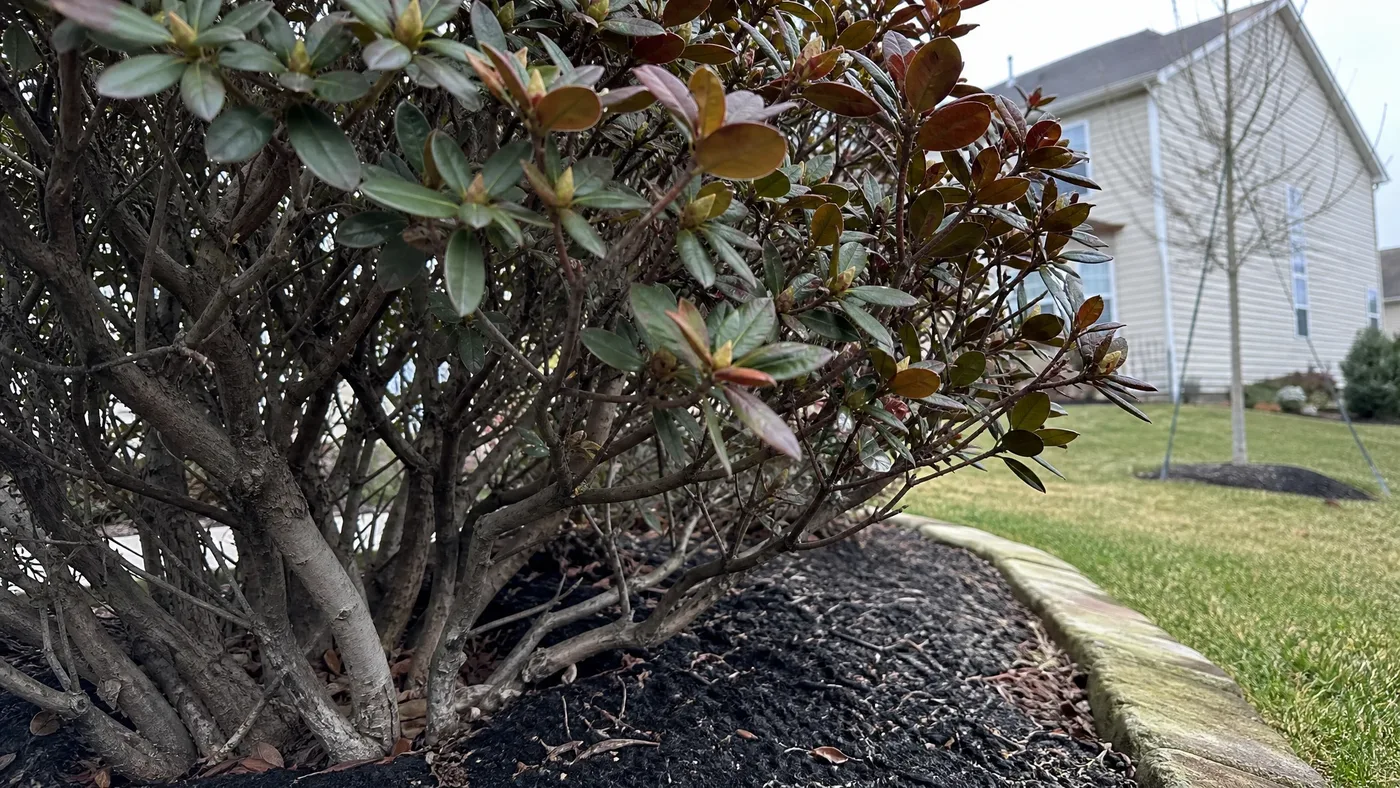
Pull on a glove and scrape a thumbnail across the crusty gray patch on that thick old trunk. Underneath you find something sticky, maybe a smear of white wax. That is azalea bark scale, and by the time most people find it, the colony has been feeding for several seasons. Left alone, it drains the shrub twig by twig. Leaves yellow and drop, tips die back, and the canopy thins from the inside.
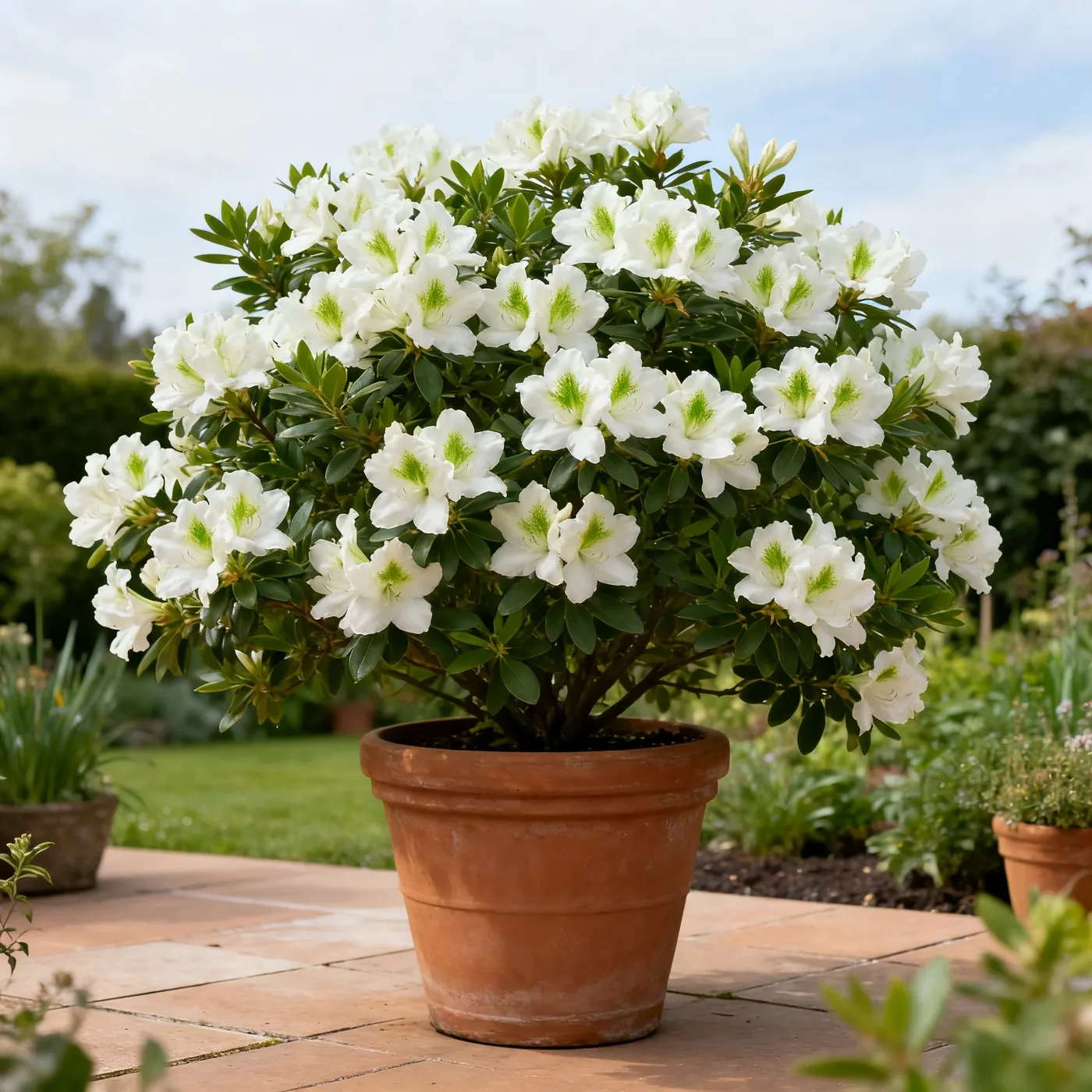
Mrs G.G. Gerbing is a shrub people keep for decades, so the scale gets plenty of rough old wood to settle into. This article talks about spotting bark scale on older Gerbing stems and treating it, and answers the questions customers ask us most. Read on to learn what the black film, the white lumps and the ants are telling you, how to scrape and prune, and when to spray oil.
Sooty Black Film on Leaves and Branches
The black film is usually the first thing you notice, because it sits at eye level while the scale hides on the wood above. Rub a leaf with a damp paper towel. If the black wipes off like soot, you are looking at sooty mold, a fungus that grows on sugary drip instead of on the plant itself. That sugar comes from scale feeding overhead. The mold is a symptom, so a fungicide will not fix it.
One of the most common questions we get is whether the black film is a disease. It is not the cause of the trouble, it is the evidence. Treat the insects and the mold weathers away on its own, though a heavy coat can take a season or more to fade from the leaves.
Follow the Film Upward
Find the leaves with the heaviest coating, then look at the stems directly above them. The scale concentrates where branches fork and where leaves meet the stem, so check every crotch over those leaves. A hand lens helps. You are looking for small, waxy, white or fuzzy lumps pressed into the bark.
When Black Film Is Not Scale
Pale stippling or bleaching on the tops of the leaves, with no black coating, points to lace bugs instead. We cover that and other leaf problems in our guide to common Gerbing problems and fixes. If the black does not wipe off at all, it is something else, so look closer before you spray anything.
White Waxy Lumps on Old Mrs G.G. Gerbing Azalea Wood
Bark scale lives on the oldest, roughest stems, which is exactly what a big, long-lived Gerbing grows more of every year. Look in the cracks and furrows of thick trunks and in the forks between limbs. The insects look like small, elongated, fuzzy white lumps, and the Georgia extension service notes they are often mistaken for mealybugs. The difference is where you find them: scale stays put on bark, year after year.
Smooth young twigs rarely carry a heavy load. Rough bark gives overwintering nymphs cracks to shelter in, so the more furrowed the wood, the more you need to inspect. The scrape test below sorts the look-alikes in about a minute.
| What You Find | What a Thumbnail Scrape Does | What It Is |
|---|---|---|
| Flat, dry gray or greenish crust | Flakes or powders off, clean bark underneath | Lichen |
| White, fuzzy, elongated lumps in crevices and forks | Crushes soft and leaves a sticky smear | Bark scale |
| Ridges and furrows in the wood itself | Nothing lifts off | Plain bark |
Lichen looks alarming but does not feed on the shrub. Leave it alone unless it hides a scale colony underneath, which is why the first scrape matters. If a gray patch smears sticky, treat it as scale.
Sticky Residue and the Ants on Mrs G.G. Gerbing Azalea
Scale insects feed on sap and excrete the excess as honeydew, a clear, sugary liquid that lands on whatever is below. Run a fingertip along a lower branch or a leaf under the infested wood. If it feels tacky, or the leaves look varnished, honeydew is falling. Check the patio, the mulch or the car parked beneath the shrub too, since drips travel farther than you expect.
Ants are your second clue. They collect honeydew and tend to guard the colony that makes it, so a steady ant trail up a Gerbing trunk almost always leads to feeding insects. Watch the trail for a few minutes and note where it stops. That spot is where to scrape first.
Common advice says to bait the ants and hose off the sticky leaves. Both feel productive, and neither touches the scale. Washing leaves only helps once the insects are dealt with, and killing ants alone leaves the colony intact.
Thin Foliage and Dying Twigs on Mature Shrubs
A heavily infested shrub shows it in the canopy. The Georgia extension service lists yellow leaf drop and dying branches among the symptoms, and sparse, thinning foliage follows. Southern Indica hybrids like Gerbing can reach 6 to 12 feet tall according to NC State, so a mature plant carries a lot of old bark for the scale to colonize. Expect the worst thinning inside the shrub, where the oldest wood is.
We often see owners blame water or fertilizer first, and then wonder why nothing improves. If the dead tips cluster on branches whose old wood carries white lumps and sticky residue, scale is the likelier cause. The Georgia service adds that an infestation rarely kills the plant unless it is extremely severe and uncontrolled, so a thin shrub is usually worth saving.
Check Whether a Twig Is Dead
Scratch a thin layer of bark off a dying twig with your thumbnail. Green underneath means the twig is alive and can recover once the scale is gone. Brown and dry means cut it out. Mark the branches that are only partly dead and check the wood below each dead tip for scale before you cut.
Rule Out Root Trouble
If the whole shrub wilts at once instead of branch by branch, look at the roots and drainage. Root rot from wet, poorly drained soil is a different problem with a different fix. For a badly overgrown, scale-weakened plant, our guide on rejuvenating an overgrown Gerbing covers the hard cutback.
Scraping, Scrubbing, and Pruning Out Infested Wood
For a light infestation, your hands come first. The Extension at UMass says that when scales are mostly in the forks of twigs, you should prune out and destroy infested twigs. Pair that with scraping on the thick wood and you remove a large share of the colony before you spray anything.
- Wear gloves and lay a tarp or sheet under the shrub so you can collect what falls.
- Scrape lumps out of crevices with a dull putty knife or a stiff plastic brush. Do not gouge into live wood.
- Scrub the scraped patch with a toothbrush dipped in soapy water, working into the cracks.
- Cut off twigs that are infested or dead, making the cut just above a healthy side branch.
- Bag everything on the tarp and put it in the trash. Do not compost it.
Time your live pruning for just after bloom, since Clemson advises pruning right after spring flowering. Dead twigs can come out whenever you see them. Our pruning guide covers shaping cuts in detail.
Scraping will not reach every crevice. Treat it as step one, then follow with oil.
Dormant Oil Timing for Mrs G.G. Gerbing Azalea
The Georgia extension service says second-generation nymphs overwinter within cracks and crevices in the stem, so winter is when the colony is easiest to smother. A dormant oil spray coats the bark and gets into the furrows where your scraper could not. Apply it while the plant is dormant, on a day the product label allows, and check the label for temperature limits and for use on azaleas. Some oils are labeled for summer use only.
Pick a calm, dry day so the spray lands on the bark instead of drifting, and give the oil time to dry before rain or a hard freeze is forecast. The label spells out those limits for the product you bought, so read it each time.
Spray Heavy Wood Thoroughly
Thick old stems are the target, so coverage matters more than quantity.
- Start with the trunk and main limbs, soaking the bark until it glistens.
- Spray into every fork and crotch, from below as well as above.
- Reach the undersides of the limbs, where the shrub's weight shades the wood.
- Skip any plant stressed by drought or waterlogging, and test a few branches first if the label suggests it.
Wear eye protection and gloves, and mix the oil exactly as the label directs. Oil works by contact, so any bark you miss keeps its scale. After the spray dries, scrape again in a few weeks and check whether the lumps crush dry instead of sticky.
Crawler Season Sprays on a Mrs G.G. Gerbing Azalea
Crawlers are the tiny, mobile young that hatch and move onto the bark before they settle and grow their waxy covering. That is when they are most exposed. The Georgia extension service says spraying horticultural oil or summer oil after the azaleas bloom in late spring will help control the scale. UMass reports crawlers and immatures on twigs and stems, especially in crotches, with one generation in Connecticut. Timing varies by region, so check with your local extension service.
Confirm the Crawlers Are Out
Do not guess from the calendar. Wrap strips of double-sided tape sticky side out around infested twigs and check them every few days with a hand lens. Tiny moving specks stuck to the tape mean the crawlers are active, and that is your signal to spray.
Spray the Stems, Not Just the Leaves
Aim at the bark of twigs, forks and crotches, since that is where the crawlers settle. Follow the label for rate and repeat timing, and do not spray on a hot afternoon. Common advice says to spray whenever you see white fluff. By then the adults are sitting under their wax, so oil does far less than it does against crawlers.
Keeping Old Mrs G.G. Gerbing Azalea Wood Clean
Once the colony is down, upkeep is a quick habit, not a project. Each winter, walk around the shrub and put your hands on the oldest stems. Look in the forks, run a thumb along the furrows and scrape any suspect patch. Catching a few lumps early costs you ten minutes, while a full colony costs a whole season of recovery.
Keep the plant vigorous too. A stressed shrub tolerates scale poorly, so give it acidic, well-drained soil in the pH 4.5 to 6.0 range and partial shade with morning sun and afternoon protection. Our guides on soil pH and drainage and fertilizing cover both. Thin crowded crotches after bloom so air and spray can reach the old wood.
This simple schedule keeps the work spread across the year.
| When | What to Do |
|---|---|
| Winter | Inspect old stems, scrape suspect patches, apply dormant oil if scale is present |
| Right after bloom | Prune out infested and dead twigs, open crowded crotches |
| Late spring | Check tape for crawlers and spray when they appear |
| Through the season | Watch for black film, tacky leaves and ant trails |
A Thumb Along the Oldest Stems
Bark scale hides on thick old wood, announces itself through black film, sticky leaves, ants and thinning tips, and responds best to a plan: scrape and prune first, oil the dormant wood in winter, and spray crawlers in late spring. A large, long-lived Gerbing will always offer the scale rough bark, so the job is to keep it small. Run a thumb along the oldest stems each winter and the problem stays small.
Mrs G.G. Gerbing Azalea
Nursery-grown Mrs G.G. Gerbing Azalea in sizes from 1 Gallon, shipped to your door.
From $26.99
Shop Now →Bark scale is the reason we look hard at the oldest stems, and it is also why our Mrs G.G. Gerbing shrubs live in acidic, well-drained soil with afternoon protection on our farms, where clean wood stays easy to keep. We are a small team of growers who raise top-quality shrubs ourselves. If a scale-free Gerbing sounds like a good fresh start, come pick one out for your own garden.